THE REVIEW / Deckbuilding mystery
Inscryption
A card-game mystery whose refusal to stay predictable is central to its appeal. Its card battles are only the beginning, making it our strongest pick for players who value surprise in the structure.
The programme
Game facts
- Developer
- Daniel Mullins Games
- Publisher
- Devolver Digital
- Released
- 19 October 2021
- Platforms
- Windows · macOS · Linux (Steam edition)
- Model
- Paid game
- PEGI
- 16 — Nintendo Switch edition; not a separate PC classification
- Players
- Single-player
- Length
- Medium
- Difficulty
- 2 / 5 · Moderate
- Steam Deck
- Playable
PEGI source ↗ · Steam Deck status source ↗
Edition: Base game
The score, explained
The interest and responsiveness of the core decisions and actions.
How progression, exploration and goals fit together.
The coherence of the visual, musical and narrative presentation.
How clearly the game explains its rules and offers useful ways to engage.
The depth of optional goals, alternative approaches and reasons to return.
The table is only part of the problem
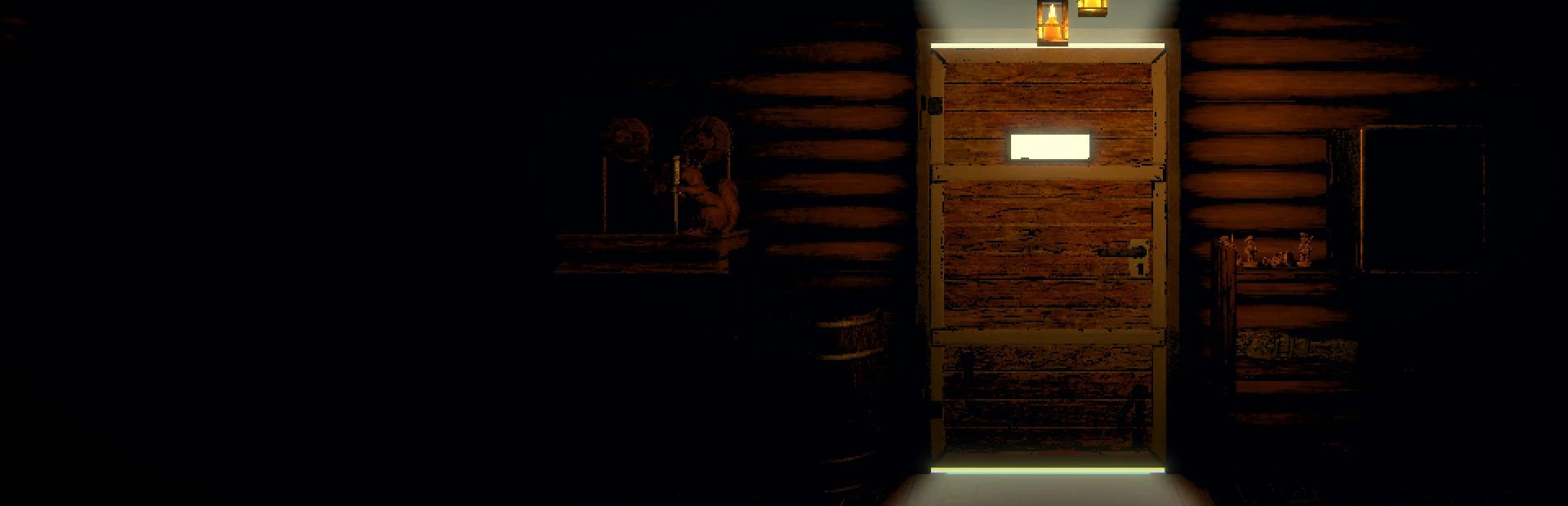
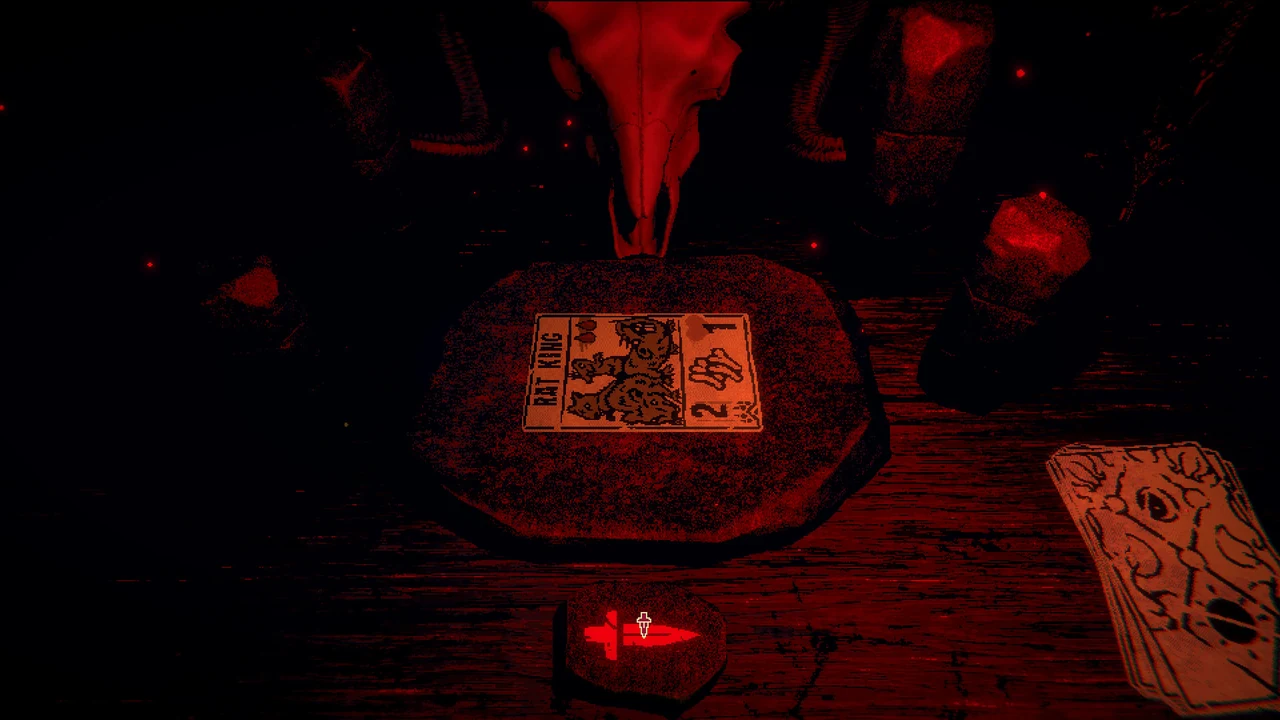
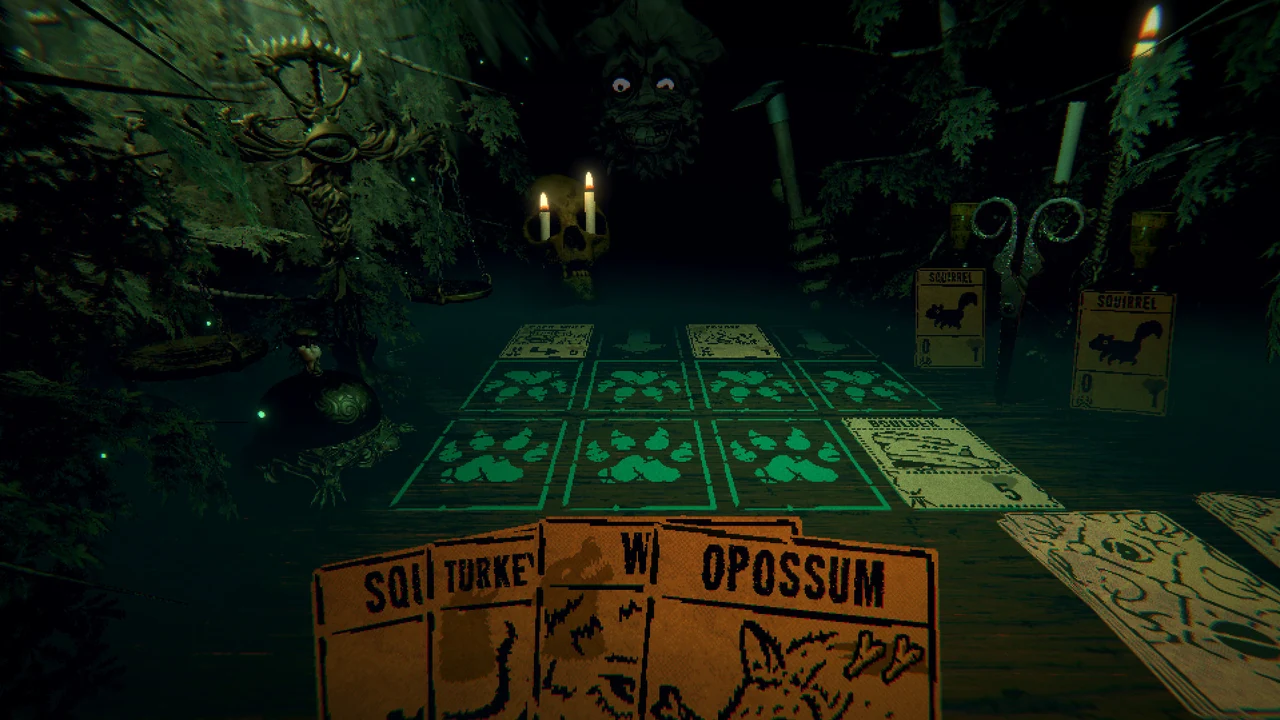
Inscryption begins from a recognisable card-game idea and places it inside a deliberately disturbing mystery. Creature cards, deck construction and unusual ways of modifying the deck sit alongside clues in the surrounding cabin. The game explicitly combines deckbuilding, escape-room puzzles and psychological horror, so it is important to expect all three rather than choose it as a conventional card battler. The strongest element is the way those interests can support one another. A card is a tactical object, but it may also encourage a question about the person across the table or the room around you. Readers who prefer a stable set of competitive rules with little narrative interference may find that uncertainty less welcome.
A structure best discovered carefully
Much of Inscryption's attraction depends on discovering how far its premise will develop, so a useful recommendation should describe the kind of experience without listing every change. The game promises an unexpected journey and secrets beyond the initial cabin, establishing that the opening situation is not the whole design. The structure works through giving curiosity a role alongside learning the cards. That approach has a trade-off: a player may enjoy one part of an evolving game more than another, and cannot assume every later section will reproduce the opening exactly. Choose it with an interest in the mystery itself. Treating it only as a platform for perfecting one favourite deck risks overlooking what the wider work is trying to do.
Unease is a deliberate feature
The dark cabin, unsettling card imagery and threatening premise work together to make a familiar tabletop activity feel unsafe. The game includes self-mutilation and psychological horror, which are significant content considerations rather than incidental decoration. We score the presentation highly because it reinforces the mystery at the centre of the design. That score is not a judgement that everyone should enjoy the mood, and the comparatively quiet act of choosing a card does not make the subject matter mild. Readers who want a comfortable strategic ritual should take the horror description seriously. The game is more appropriately considered when tension and uncertainty are part of the desired experience, alongside the satisfaction of making a clever tactical decision.
Choose the mystery as well as the cards
Inscryption is most compelling as a recommendation when you are interested in why the game is changing as much as how to win the next encounter. Its return value includes reconsidering details after learning more, but a first encounter with a mystery cannot be recreated simply by starting again. Our return assessment therefore recognises meaningful interest without equating it to unlimited surprise. Slay the Spire is the clearer alternative if repeated deckbuilding runs are the main objective and you want the tactical structure to remain the centre of attention. Choose Inscryption for the combination of cards, investigation and horror. Keeping advance knowledge limited is a practical way to preserve the discoveries that make that combination distinctive. Its card battles are only the beginning, making it our strongest pick for players who value surprise in the structure.
The verdict
A card-game mystery whose refusal to stay predictable is central to its appeal. Its card battles are only the beginning, making it our strongest pick for players who value surprise in the structure.
Reasons to play
- Cards and environmental clues support the same mystery
- An unsettling premise gives ordinary decisions extra tension
- The design deliberately challenges comfortable expectations
Reasons to think twice
- Horror and self-mutilation themes are significant
- Players wanting only a stable competitive-style deckbuilder may dislike the narrative changes
See the game
Assist & accessibility
Explore the available settings and control options on the official game page before choosing your setup.
Parents’ guide
Players: Single-player. No in-game purchase marker in the checked Steam listing. Separate downloadable content may be sold.
Age classification: 16. Nintendo Switch edition; not a separate PC classification
A useful starting tip
When the card table stops giving you useful ideas, inspect the surrounding room and reconsider what counts as part of the game.
A different direction
Compare this with TUNIC: TUNIC is a strong choice for players who want combat and exploration built around discovering the rules for themselves.
Official sources
Reviewed: November 2026
You might also like
 TUNICRead review →
 ANIMAL WELLRead review →
 Chicory: A Colorful TaleRead review →