THE REVIEW / Action adventure
TUNIC
TUNIC is a strong choice for players who want combat and exploration built around discovering the rules for themselves.
The programme
Game facts
- Developer
- TUNIC Team
- Publisher
- Finji
- Released
- 16 March 2022
- Platforms
- Windows · macOS (Steam edition)
- Model
- Paid game
- PEGI
- 7 — Nintendo Switch download edition edition; not a separate PC classification
- Players
- Single-player
- Length
- Medium
- Difficulty
- 4 / 5 · Challenging
- Steam Deck
- Verified
PEGI source ↗ · Steam Deck status source ↗
Edition: Base game
The score, explained
The interest and responsiveness of the core decisions and actions.
How progression, exploration and goals fit together.
The coherence of the visual, musical and narrative presentation.
How clearly the game explains its rules and offers useful ways to engage.
The depth of optional goals, alternative approaches and reasons to return.
The manual is part of the adventure
TUNIC sends a small fox into a ruined world and makes reconstructing an instruction manual part of understanding it. Collected pages can reveal maps, techniques and hints, turning a familiar object outside many games into something discovered within this one. Combat meanwhile asks the player to dodge, block, parry and strike. Our high core-play assessment reflects the relationship between these two demands: knowledge and execution both matter. It also creates a clear audience question. A player may enjoy the mysteries but dislike demanding encounters, or want action without deciphering how the world works. TUNIC is most persuasive when the prospect of learning a game from inside its own adventure is part of the attraction.
Knowledge changes familiar places
The interconnected forests, ruins and underground areas contain secrets whose importance may only become clear after another discovery. That gives collected information a practical value alongside equipment. We rate the structure highly because understanding can make an old space feel newly useful without requiring it to be replaced. The deliberate withholding of explanation is also the main trade-off. Readers who expect every mechanic and objective to be stated immediately may feel lost rather than intrigued. It helps to enjoy holding an unanswered question while investigating another route. The premise supports this kind of patient interpretation, but does not guarantee that every reader will find the same clue obvious or the same puzzle satisfying.
A small hero in a carefully framed world
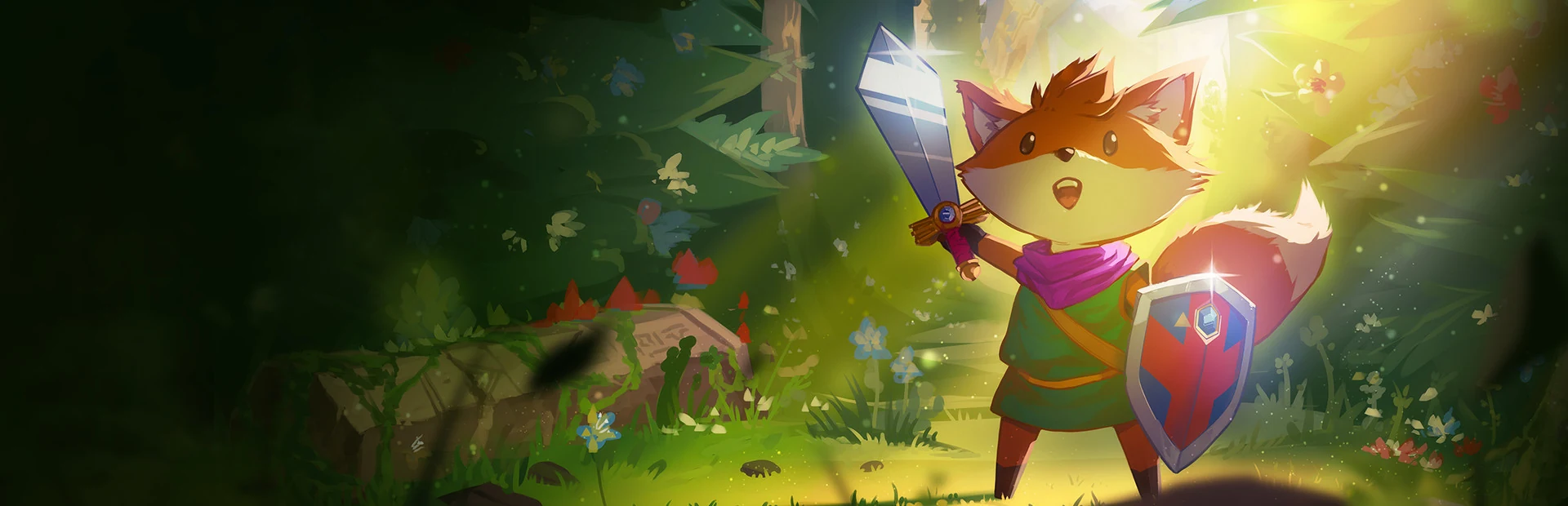
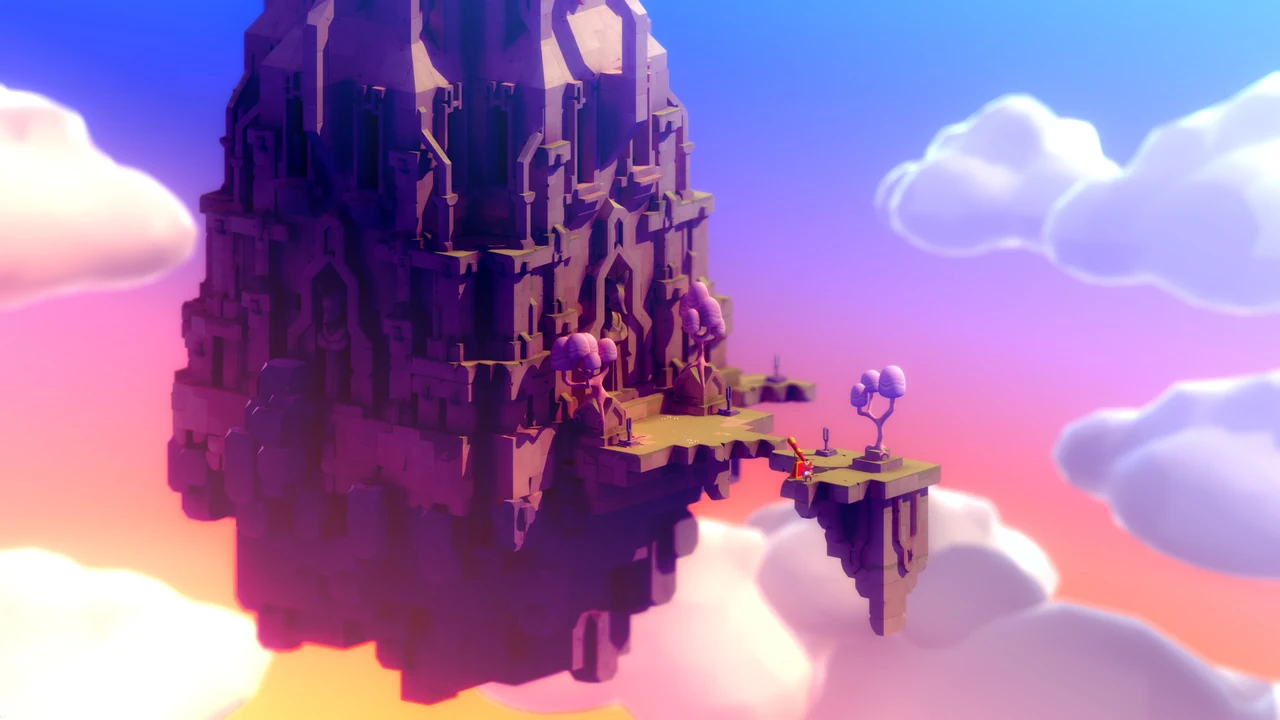
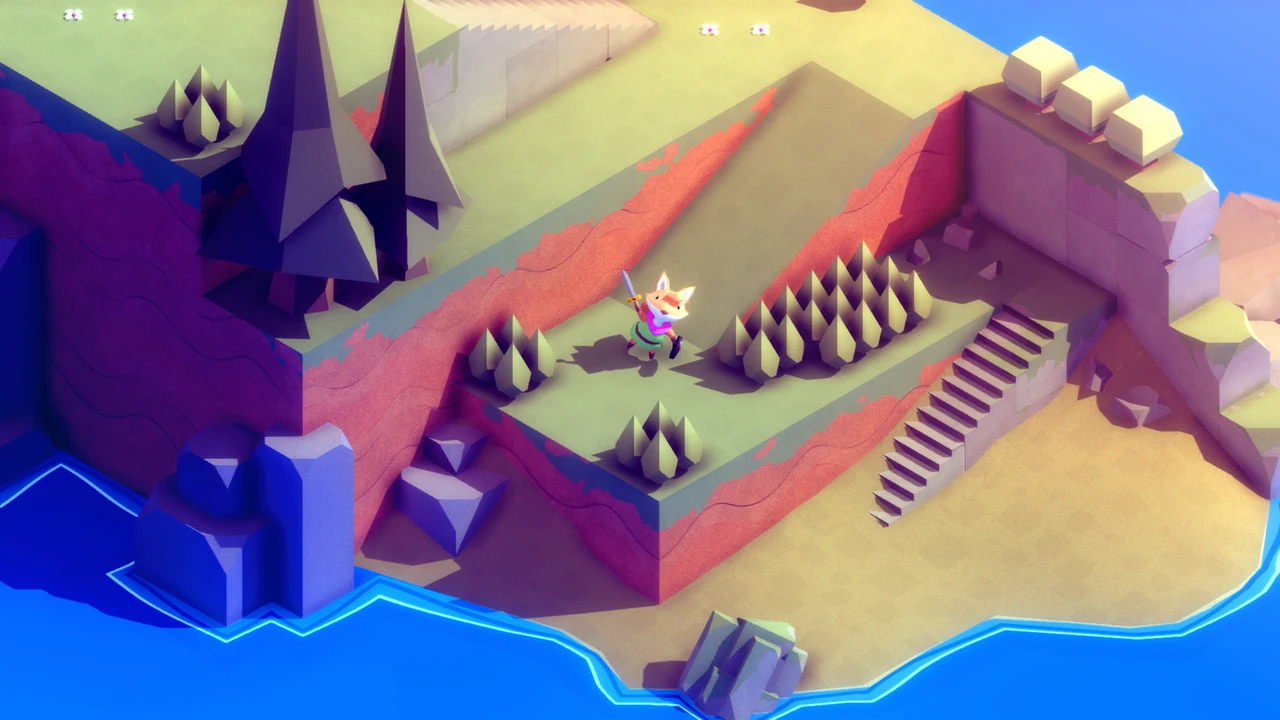
The artwork gives TUNIC a clear contrast between its small fox protagonist and substantial ruins, forests and creatures. The illustrated manual adds a second visual language that still feels connected to the same adventure. We value that relationship because both the world and the pages are things the player needs to look at closely. Attractive presentation is doing useful work when attention to an image can lead to understanding. A page's diagrams and annotations can make an apparently decorative detail in the world look useful after a second examination. A gentle-looking character also should not obscure the available combat challenge. The visual invitation and the practical demands of playing are separate parts of the decision.
For curiosity that survives confusion
TUNIC fits a player who can treat uncertainty as an interesting question rather than an immediate sign that progress has failed. The manual, hidden techniques and wider mysteries provide clear reasons to look beyond the most direct route. Our return score recognises that depth while acknowledging that learned solutions cannot be made entirely unknown again. Animal Well offers another connected world driven by discovery, with a stronger emphasis on experimenting with items and less on direct weapon combat. Choose TUNIC when the mixture of those mysteries and action encounters sounds rewarding. Its defining promise is not simply a charming adventure, but one in which understanding the rules is itself something earned along the way. In our hidden languages selection, TUNIC earns its place because manual-page discoveries link puzzles and exploration.
The verdict
TUNIC is a strong choice for players who want combat and exploration built around discovering the rules for themselves.
Reasons to play
- Manual-page discoveries link puzzles and exploration
- A connected world rewards closer observation
- Boss combat adds an execution challenge to the mysteries
Reasons to think twice
- Deliberately withheld information can be frustrating
- Combat and puzzle difficulty ask for different skills
- Single-player only
See the game
Assist & accessibility
Explore the available settings and control options on the official game page before choosing your setup.
Parents’ guide
Players: Single-player. No in-game purchase marker in the checked Steam listing. Separate downloadable content may be sold.
Age classification: 7. Nintendo Switch download edition edition; not a separate PC classification
A useful starting tip
Revisit a collected manual page after making a discovery; an illustration that looked decorative may now contain a useful instruction.
A different direction
Compare this with ANIMAL WELL: A dense discovery game for players who enjoy testing ideas without a running explanation. Seemingly ordinary tools invite unexpected uses, making experimentation more valuable than following a long tutorial.
Official sources
Reviewed: November 2026
You might also like
 ANIMAL WELLRead review →
 Chicory: A Colorful TaleRead review →
 InscryptionRead review →