THE REVIEW / Tactical role-playing
Wildermyth
A tactical story generator that gives ageing, relationships and lasting transformations strategic weight. Lasting character transformations connect the tactical campaign to the stories generated around the party.
The programme
Game facts
- Developer
- Worldwalker Games LLC
- Publisher
- Worldwalker Games LLC, WhisperGames
- Released
- 15 June 2021
- Platforms
- Windows · macOS · Linux (Steam edition)
- Model
- Paid game
- PEGI
- 12 — Nintendo Switch Console Edition edition; not a separate PC classification
- Players
- Single-player · Multi-player · Co-op · Online Co-op
- Length
- Long
- Difficulty
- 2 / 5 · Moderate
- Steam Deck
- Verified
PEGI source ↗ · Steam Deck status source ↗
Edition: Base game
The score, explained
The interest and responsiveness of the core decisions and actions.
How progression, exploration and goals fit together.
The coherence of the visual, musical and narrative presentation.
How clearly the game explains its rules and offers useful ways to engage.
The depth of optional goals, alternative approaches and reasons to return.
Tactics belong to particular people
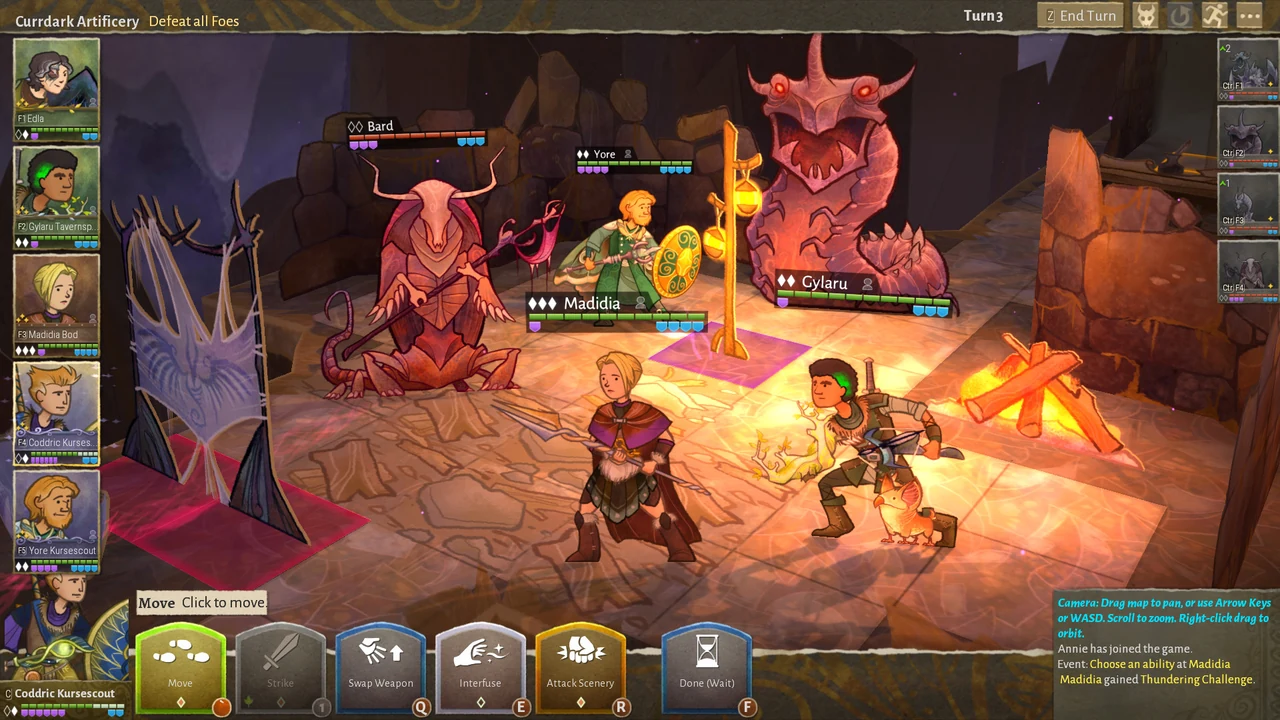
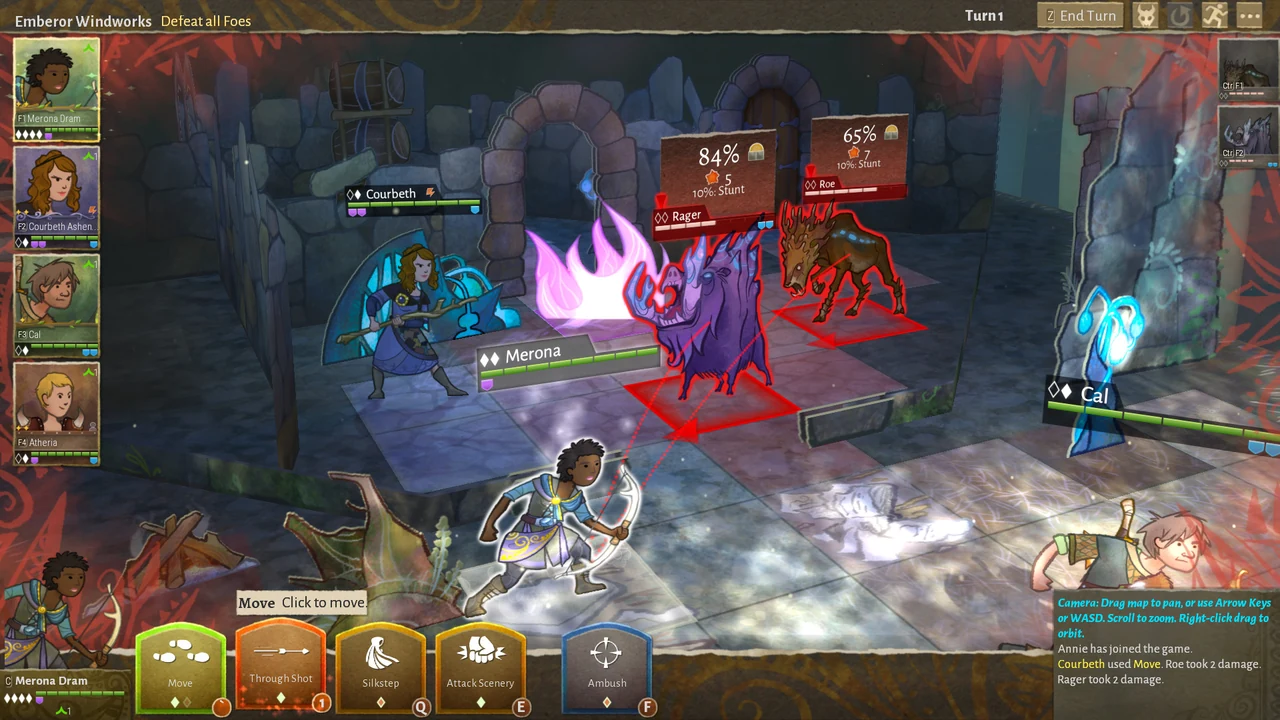
Wildermyth follows ordinary people as they become experienced heroes, with tactical battles sitting inside stories shaped by their traits and choices. Positioning, teamwork and the use of scenery matter in combat, while events can change a character's appearance and abilities outside it. That creates a useful connection between a party member's history and what they can contribute on the battlefield. Our core-play assessment favours this relationship rather than treating narrative and tactics as separate rewards. It also sets an expectation: this is not simply a sequence of abstract combat puzzles. Players are asked to care about the developing party, including relationships and lasting changes, so someone who wants only a quick tactical problem may prefer a more concentrated game.
A campaign leaves a legacy
Heroes age, form relationships, suffer transformations and may eventually retire or die. The design allows favourite characters to join a legacy roster and return in later stories, making continuity possible without preserving every campaign unchanged. Procedural events and maps provide different combinations, while decisions can alter who a hero becomes. We rate the progression highly because change is more than a larger statistic: the character's story and capabilities can develop together. The limitation is that a generated structure cannot guarantee every sequence of events will feel equally coherent to every reader. It is best approached as a framework for making memorable stories, rather than a promise of the same tightly authored dramatic arc in every campaign.
A tabletop identity without a literal table
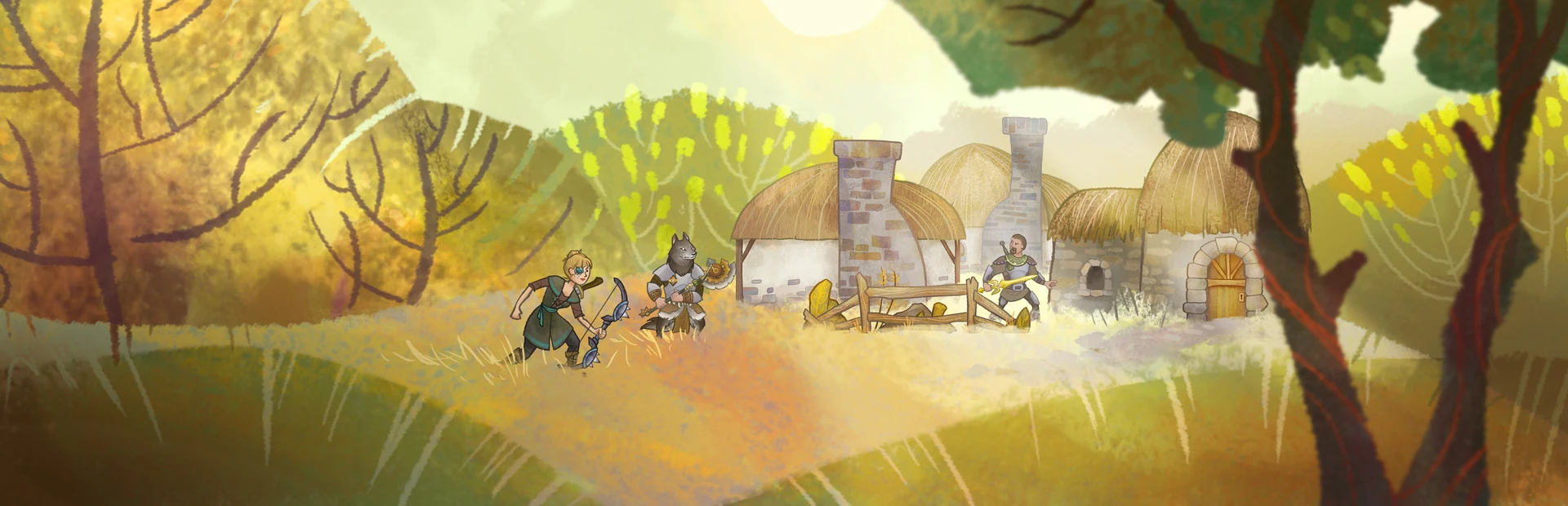
The hand-painted, paper-like presentation helps Wildermyth communicate its relationship to shared storytelling. Characters and scenery look like parts of a constructed tale, matching the way events and battles combine into a campaign. The game also confirms co-operative play in which different players can control their heroes, an appealing extension of that idea. The exact multiplayer setup should be checked on the store for the edition being used; the PC and console editions should not be treated as interchangeable. Our presentation score is positive because the style gives a varied party a coherent home. It is deliberately secondary to the more important question of whether tactical teamwork and evolving character stories sound like an enjoyable combination for the prospective player.
Return to see who the heroes become
Wildermyth gives repeat play a strong available basis: new combinations of events, maps and abilities, plus the ability to bring legacy heroes into later adventures. The interest is not only whether you can win with another party, but how that party's story develops around the decisions you make. This supports a high return score while leaving room for familiarity to grow with the event pool. Into the Breach is a useful contrast for players who prefer compact tactical situations with fewer narrative commitments. Choose Wildermyth when maintaining a party's history is part of the reward, and when an injury, relationship or transformation sounds like an interesting development rather than simply a disruption to an optimal build. Lasting character transformations connect the tactical campaign to the stories generated around the party.
The verdict
A tactical story generator that gives ageing, relationships and lasting transformations strategic weight. Lasting character transformations connect the tactical campaign to the stories generated around the party.
Reasons to play
- Character change gives tactical decisions a lasting context
- Battlefield positioning and environmental magic support varied plans
- Legacy heroes connect separate campaigns
Reasons to think twice
- Procedural storytelling cannot promise every combination feels equally natural
- Campaign management asks for more investment than isolated skirmishes
See the game
Assist & accessibility
Explore the available settings and control options on the official game page before choosing your setup.
Parents’ guide
Players: Single-player · Multi-player · Co-op · Online Co-op. No in-game purchase marker in the checked Steam listing. Separate downloadable content may be sold.
Age classification: 12. Nintendo Switch Console Edition edition; not a separate PC classification
A useful starting tip
Consider how an ability supports the whole party's positioning, not just the damage one hero can deal alone.
A different direction
Compare this with Loop Hero: An unusual strategy loop that makes you the architect of the danger your hero must survive. Building the route around an automatically moving hero gives this strategy game an unusually clear central twist.
Official sources
Reviewed: November 2026
You might also like
 TUNICRead review →
 ANIMAL WELLRead review →
 Chicory: A Colorful TaleRead review →